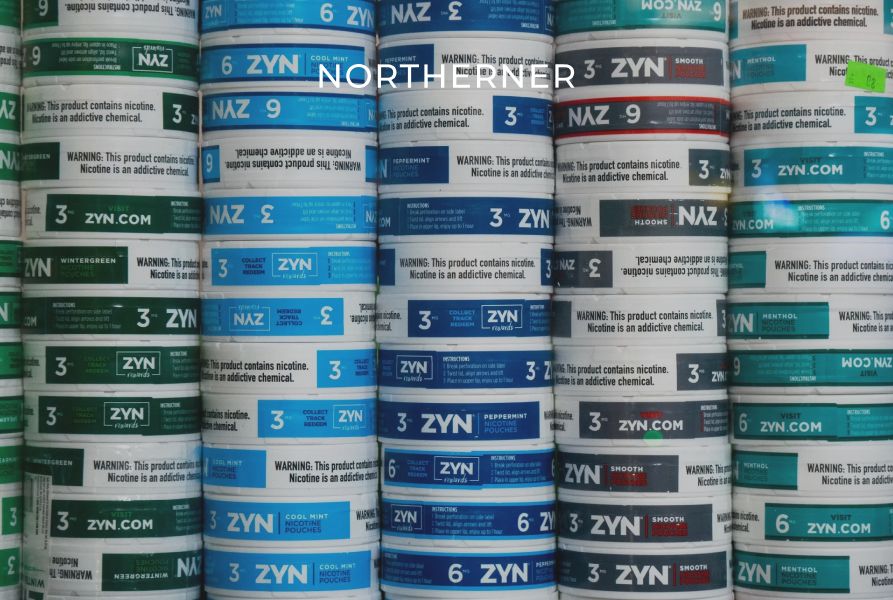
Nicotine Pouch Taxes: How State Policies are Decided
The price of nicotine pouches can vary from one state to another, and taxes are one reason why. State laws determine whether taxes apply, what the tax is based on, and who is responsible for paying it.
For adult consumers interested in nicotine pouch taxation, understanding state legislative processes can provide useful context about how these policies are developed and changed.
Key Nicotine Pouch Tax Terms
Tax language can be technical. These definitions explain the terms most likely to appear in state laws, retailer notices and news coverage.
| Term | What it means |
| Excise tax | A tax applied to a specific type of product. It is separate from the general sales tax that may also apply. |
| Wholesale price | The amount charged earlier in the supply chain, typically before the product is sold to the customer. State law determines the exact definition. |
| Retail price | The price offered to the customer before any applicable taxes, fees or discounts are added. |
| Weight-based tax | A tax calculated using the weight of the taxable product rather than its selling price. |
| Per-unit tax | A fixed amount charged for each taxable unit, such as a can, container or pouch. |
| Percentage-of-price tax | A tax calculated as a percentage of a defined price, such as the wholesale price. |
| Tax base | The amount or measurement used to calculate the tax, such as weight, wholesale price or number of units. |
Why State Legislative Elections Matter
Nicotine-pouch taxes are not uniform across the United States. States may classify nicotine pouches differently and apply different tax structures to them.
Depending on the state, a tax may be based on factors such as:
- Product weight
- Wholesale price
- Retail price
- The number of containers or pouches
- How the product is defined under state law (“tobacco product,” “other tobacco product (OTP)” or “alternative nicotine product”)
- Another measure established under state law
Elections do not set nicotine pouch tax rates by themselves. They determine who will take part in future state policy decisions. Newly elected and returning lawmakers may introduce, debate and vote on bills that change how nicotine pouches are classified or taxed, while governors may sign or veto legislation under their state’s process.
Texas & New York: How State Tax Laws Can Differ
Texas and New York provide two recent examples of why state-level decisions matter. The purpose of comparing them is not to argue that one system is preferable, but to show how states can use substantially different methods.
Texas applies a weight-based tax structure to applicable tobacco products. Current Northerner checkout requirements describe the Texas excise tax as $1.22 per ounce on an individual-container basis, with $1.46 applying per can under the relevant minimum structure.
This structure bases the tax on product weight and individual containers, rather than a percentage of the advertised retail price. Products of the same taxable weight can therefore carry the same tax even when their prices differ.
For lighter products such as nicotine pouches, the minimum tax per can is an important distinction: a lower product weight does not necessarily mean a proportionately lower tax than for heavier products such as moist snuff.Effective September 1, 2026, New York extended its tobacco-products tax to nicotine pouches. The tax is imposed at a rate of 75% of the product’s wholesale price.
Unlike the Texas approach, New York’s calculation is connected to wholesale price rather than individual-container weight.
These two systems illustrate a larger point: the phrase “nicotine-pouch tax” can refer to very different calculations depending on the state. Understanding these differences can help adult consumers interpret state tax proposals and assess how changes to tax structures may affect nicotine-pouch pricing.
What Nicotine Pouch Taxes Can Mean at Check Out
Most customers do not encounter tax policy as legislative text. They encounter it as a price.
When a state introduces or changes an excise tax, an adult consumer may notice:
- A different displayed product price
- A change in the total shown at checkout
- Different pricing between states
- Changes to the products available for delivery
- Separate sales and excise-tax effects
- A difference between an advertised discount and the final order total
The effect is not necessarily identical across products or retailers. State definitions, tax bases, supply-chain costs and retailer pricing can all influence the amount shown to the customer.
For online orders, the applicable price and tax treatment may depend on the delivery location. Adult consumers learning about buying nicotine pouches online should always review the order summary before submitting an order.
Can a Nicotine Pouch Subscription Still Help You Save?
For eligible products, a Northerner nicotine pouch subscription may provide a lower recurring product price while making repeat orders easier to manage. Subscription savings apply to the eligible product price, however, not to taxes required by state or local law.
In other words, enrolling in a subscription does not remove or override an applicable excise or sales tax.
The order summary should display eligible subscription savings and applicable taxes separately, allowing customers to review the final total before placing an order. Product eligibility, subscription terms and available savings can change, so customers should check the current product page and subscription information for the latest details.
Keeping up With Policy Change
Tax policies can change when states enact new laws, approve budgets or issue updated administrative guidance.
Northerner plans to share periodic legislative updates to help customers follow proposed and enacted state measures affecting nicotine pouches, including changes that may affect pricing or ordering.
These articles can provide helpful context, but official state sources remain the authority for legal requirements.
- No. States may classify nicotine pouches differently and may use different tax bases, rates and definitions.
- That depends on state law. A distributor, wholesaler, retailer or another party may be responsible for paying or collecting the tax. The cost may also be reflected in the price paid by the customer.
- State elections determine who will help consider future tax and regulatory proposals. Election results do not automatically change nicotine pouch taxes, but elected lawmakers and governors may influence later legislation.
- No. An excise tax applies to a specific product category. Sales tax is a separate tax on a retail transaction and may also apply.
- Review the order summary at checkout. It should show the product price, eligible discounts and applicable taxes before the order is submitted.
- No. Subscription savings may reduce the eligible product price, but applicable taxes are still calculated under state and local law.
Important
The products sold on this site contain nicotine. Nicotine is an addictive chemical that may increase heart rate and blood pressure and pose risks for individuals with certain medical conditions, particularly cardiovascular disease. These products are intended only for adult (21+) current nicotine users and are not for non-users. Sales to persons under 21 are prohibited.