Foods That Contain Nicotine
Do some foods contain nicotine? Yes — certain everyday foods like tomatoes, potatoes, and peppers naturally contain trace levels of nicotine. This article explores which foods have nicotine, how much is in them, and why it’s there in the first place.
Key Takeaways
- Nicotine naturally occurs in foods like tomatoes, potatoes, peppers, and eggplants.
- These plants belong to the nightshade family, or Solanaceae, which produces nicotine as a natural insect repellent.
- An average adult diet provides an estimated 1,400–2,250 nanograms (ng) of nicotine per day from food—but this is much lower than a single cigarette, which contains approximately 10,000,000 ng to 12,000,000 ng per cigarette.
- Cooking may slightly change nicotine levels but doesn't eliminate them.
Why is Nicotine Found in Some Foods?
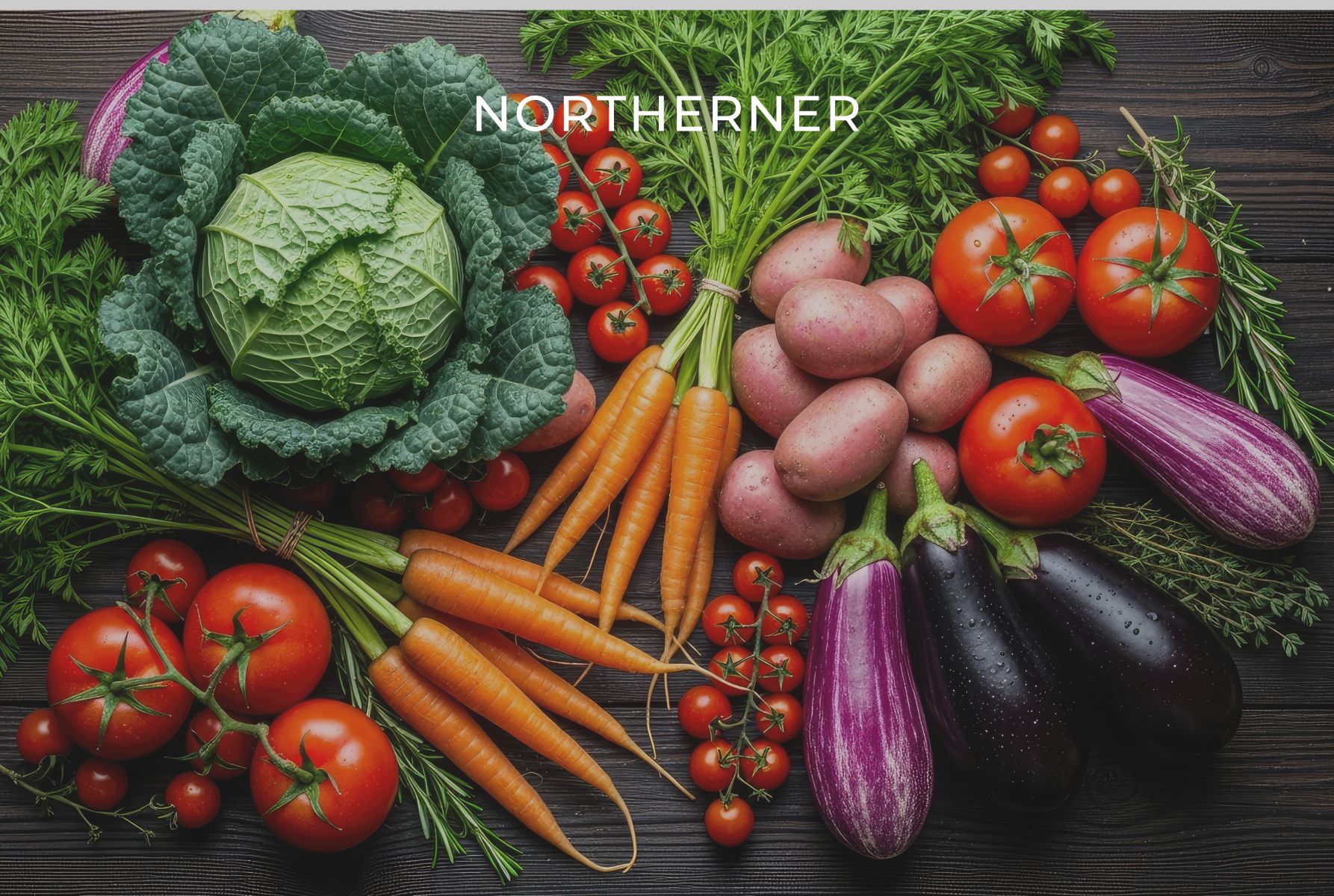
Nicotine isn’t only found in tobacco. It’s a naturally occurring compound in certain plants, especially those in the nightshade family, including:
- Tomatoes
- Potatoes
- Peppers
- Eggplants
These plants use nicotine as a natural defense against insects and pests. While tobacco contains much higher levels, trace amounts can show up in foods we eat every day.
This natural nicotine is part of the plant’s biology, not something added during farming or processing.
Nicotine Levels in Common Vegetables
Are you wondering how much nicotine is in a tomato or potato? Here's a quick look at average nicotine concentrations across some popular foods:
| Food | Approximate Nicotine Content * | Notes |
|
Eggplant |
~100 ng/g |
Highest among common vegetables |
|
Green (unripe) tomatoes |
~42.8 ng/g |
Higher before ripening |
|
Potatoes |
~7.1 ng/g |
Most nicotine is in the skin. |
|
Ripe tomatoes |
~4.3 ng/g |
Low once fully ripe |
* Source: Domino et al., New England Journal of Medicine (1993), “Nicotine Content of Common Vegetables”
These are trace amounts. For context, ng/g means nanograms per gram—an extremely small measurement.
To put this into perspective, 100 grams of ripe tomato would contain roughly 410–430 ng of nicotine based on these estimates. Even foods with higher reported levels, such as eggplant, contain only trace amounts compared with tobacco products.
Does Cooking Change Nicotine Levels in Foods?
Cooking doesn’t eliminate nicotine, but it can slightly change the amount:
- Boiling may reduce levels as some nicotine extracts into the water.
- Frying or baking may show slightly higher concentrations due to reduced water content.
- French fries, for example, have been found to contain more nicotine per kg than raw potatoes.
Still, the levels found in common foods are very low.
Is Nicotine in Foods Dangerous?
Nicotine exposure from food is extremely low compared with tobacco or nicotine products.
A typical adult diet is estimated to provide about 1,400–2,250 ng of nicotine per day from vegetables. By comparison, a single cigarette contains about 10–12 mg of nicotine, or 10,000,000–12,000,000 ng. In other words, dietary nicotine exposure from vegetables is tiny compared with the nicotine found in cigarettes or other nicotine-containing products.
FAQ
- Yes, tomatoes contain trace amounts of nicotine, especially when unripe or in cherry tomato varieties.
- Yes, most of the nicotine in potatoes is in the skin. White potatoes contain nicotine, but in very small amounts.
- Vegetables like tomatoes, potatoes, peppers, and eggplants all contain nicotine. Brewed tea may also have trace amounts.
- Because they're part of the nightshade family. These plants naturally produce nicotine to protect themselves from pests.
Important: The products sold on this site contain nicotine. Nicotine is an addictive chemical that may increase heart rate and blood pressure and pose risks for individuals with certain medical conditions, particularly cardiovascular disease. These products are intended only for adult (21+) current nicotine users and are not for non-users. Sales to persons under 21 are prohibited.