Nicotine in the Nordics: How Adult Choices Continue to Shift
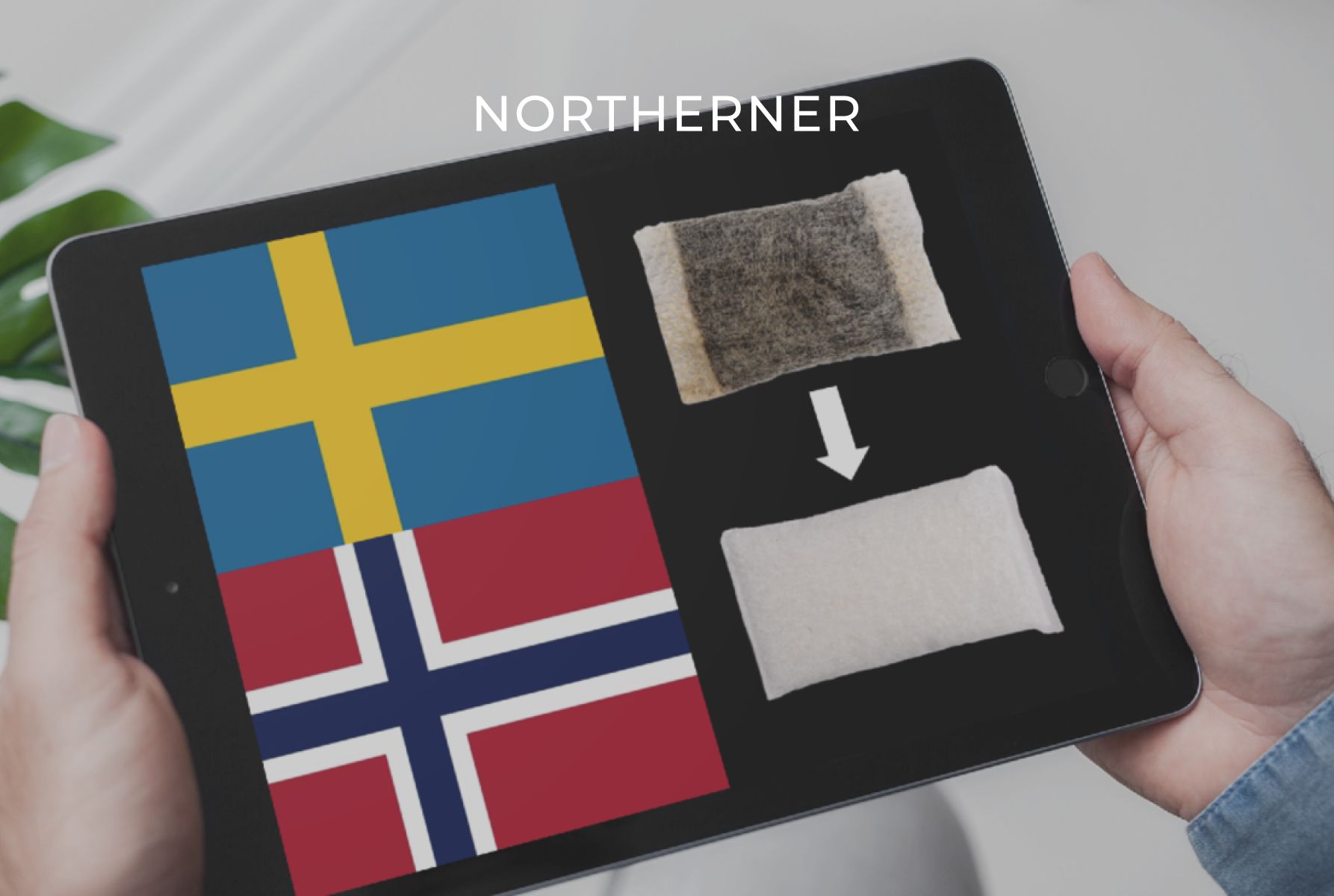
A new research letter (authored by Marina Murphy, Diane Henenberg, and Lindsay Reese of Haypp Group AB) in JMIR Public Health & Surveillance show how adults in Sweden and Norway are changing the way they use nicotine. The study has an important limitation: it looked at sales data from one e commerce company (which is also the parent company of Northerner). Because of this, the results do not represent the full market in either country. Still, the findings offer clues about how adult nicotine use may be shifting in two nations already known for low smoking rates.
A Bit of Scandinavian History
For many years, Swedish men have had the lowest rates of smoking-related disease in Europe. One reason is that many never smoked or switched from cigarettes to noncombustible nicotine products, especially snus.
Snus is not like traditional American smokeless products. It is manufactured to standards that lower levels of cancer-causing substances, and Sweden has the long-term data to prove it.
In fact, Swedish snus was the first product that the U.S. FDA authorized to be marketed with a reduced risk claim. One snus brand can be sold in the U.S. with a label saying that using it “instead of cigarettes puts you at lower risk of mouth cancer, heart disease, lung cancer, stroke, emphysema, and chronic bronchitis.”
The new study explores how the rise of modern oral nicotine pouches fits into this bigger Scandinavian story.
What the Study Did
Researchers looked at 19.5 million anonymized orders placed from 2018 to 2025 on seven websites owned by one company. These sites sell both tobacco snus and nicotine pouches and represent a large share of online sales in the Nordic region, but the study did not include physical stores or other online sellers.
Even so, the large amount of data helps reveal trends in adult buying habits.
Main Findings
- Nicotine pouches overtook snus in sales in 2025 (these numbers reflect activity on this online platform only, not all national sales).
- In Sweden, pouch sales grew from 5% in 2018 to 55% in 2025.
- In Norway, they rose from 22% to 56% over the same time frame.
- Women in both countries shifted over to pouches earlier than men.
- In 2022, women were already purchasing more pouches than snus. Men were still buying more snus than pouches in 2025.
What These Trends May Suggest—And What They Don’t
If future studies using national retail and survey data also find these patterns, it will confirm that adults in Sweden and Norway are continuing to use oral products instead of cigarettes, with more now preferring pouches over snus.
However, because the study relied on data from a single company, it cannot tell us:
- the full nicotine market in Sweden or Norway
- detailed transitions between cigarettes, snus, pouches, or quitting nicotine
The authors note these limitations and explain that more complete national data is needed, especially as official surveys start separating snus and nicotine pouches.
What About America?
A similar disruption has taken place in the United States, with sales of nicotine pouches accounting for 44% of the oral tobacco and nicotine market in 2024, overtaking traditional smokeless products like moist snuff and snus. This makes sense, since pouch use is most common among U.S. adults who recently quit smokeless tobacco or cigarettes. This marks a major shift in the U.S. marketplace and shows how quickly pouches can reshape consumer behavior when they are available as alternatives to tobacco products.
Disclaimer
This article is provided for informational purposes only and does not constitute an endorsement or recommendation of nicotine pouches as a safer alternative to cigarettes or other tobacco products. The author does not make any representation or warranty regarding the relative safety, risk, or health impacts of nicotine pouches compared to cigarettes or other tobacco products. Furthermore, no claim is made as to the efficacy of nicotine pouches as a smoking cessation aid. The U.S. Food and Drug Administration (FDA) has not approved nicotine pouches for use as a cessation tool, and scientific research on the short- and long-term health effects of nicotine pouch use is ongoing. Readers should consult with qualified health professionals regarding tobacco and nicotine use and cessation methods.