
Caffeine Pouches and Training Explained
Curious about caffeine for athletic performance? From energy pouches for running to caffeine pouches vs energy drinks, this guide explains the role of caffeine in sports performance, optimal intake for exercise, and how different caffeine formats perform.

Key Points
- As a sports performance aid, caffeine is known to improve endurance, focus, and reaction time.
- Caffeine pouches may deliver caffeine quicker than traditional sources like energy drinks.
- As a sugar- and liquid-free caffeine format, they can be practical for training.
- It is recommended for healthy adults to not exceed 400 mg of caffeine a day.
Table of Contents
Caffeine and Training
Caffeine and sports performance have long been linked, with research showing benefits for endurance, focus, and reaction time.
Recently, caffeine pouches have emerged as an alternative to energy drinks and coffee.
In this guide, find out:
- How caffeine affects athletic performance
- How much caffeine is typically used for training
- How caffeine pouches fit into a training routine
- How caffeine pouches compare to traditional sources like energy drinks
How Caffeine Works
Caffeine works primarily by blocking adenosine receptors in the brain.
Adenosine is a neurotransmitter that builds up during waking hours and contributes to fatigue.
By blocking adenosine, caffeine can:
- Increase alertness
- Improve focus
- Reduce perceived effort during exercise
What the Research Says: How Caffeine Impacts Sports Performance
Caffeine is well-documented as a sports performance aid that helps with focus, alertness, endurance, and effort.
Research has found the following benefits of caffeine on exercise performance:1,2
- Increased endurance time in activities like running and cycling
- Trained athletes were able to finish set distances faster
- Improved reaction times
- Improved focus and alertness when you are tired
It’s important to note that caffeine does not replace sleep. Responses to caffeine vary among individuals.

Caffeine Pouches and Sports Performance
Traditionally, caffeine is used as a training aid in the form of coffee, energy drinks, or capsules.
Caffeine pouches are a new format that look similar to tobacco-free nicotine pouches but contain caffeine instead of nicotine.
Caffeine pouches are:
- Discreet
- Liquid- and sugar-free
- Easy to use anywhere
- Cost-effective (compared to single-serving caffeine products)
Our caffeine pouches vs nicotine pouches guide explains the difference between the two in more detail.
How Caffeine Pouches Deliver Caffeine
Unlike traditional caffeine sources, which are swallowed, caffeine pouches deliver caffeine through the lining of the mouth.
This difference can affect how quickly caffeine is absorbed into your bloodstream, and therefore how soon you feel the effects.
Do Caffeine Pouches Deliver Caffeine Faster?
There’s currently no direct research on how caffeine pouches affect sports performance.
Instead, we can look at studies on caffeinated chewing gum, because both deliver caffeine through the lining of the mouth.
Because caffeine can be absorbed through the lining of the mouth, oral formats like chewing gum–and potentially caffeine pouches–may allow caffeine to enter the bloodstream slightly faster than drinks, which must first pass through the digestive system.2
This may be useful if taken shortly before exercise.
However, when the same dose is used, the total amount of caffeine absorbed into the bloodstream is about the same overall.
Finding the Right Caffeine Amount for Training
Wondering about how much caffeine before running or working out?
Research suggests the following approximate caffeine amounts for improved performance:3,1
- 30–300 mg for improved focus and reaction speed
- 200–600 mg to help you go for longer during endurance exercise
Lower doses can improve focus and alertness. Higher doses may enhance endurance, but more is not necessarily better.
General health guidance considers up to 400 mg of caffeine per day to be safe for most healthy adults.3
Excess caffeine can lead to:
- Jitteriness
- Increased heart rate
- Sleep disruption
- Dependence
Individual tolerance, body weight, and timing all influence response.
Caffeine Pouches vs Energy Drinks
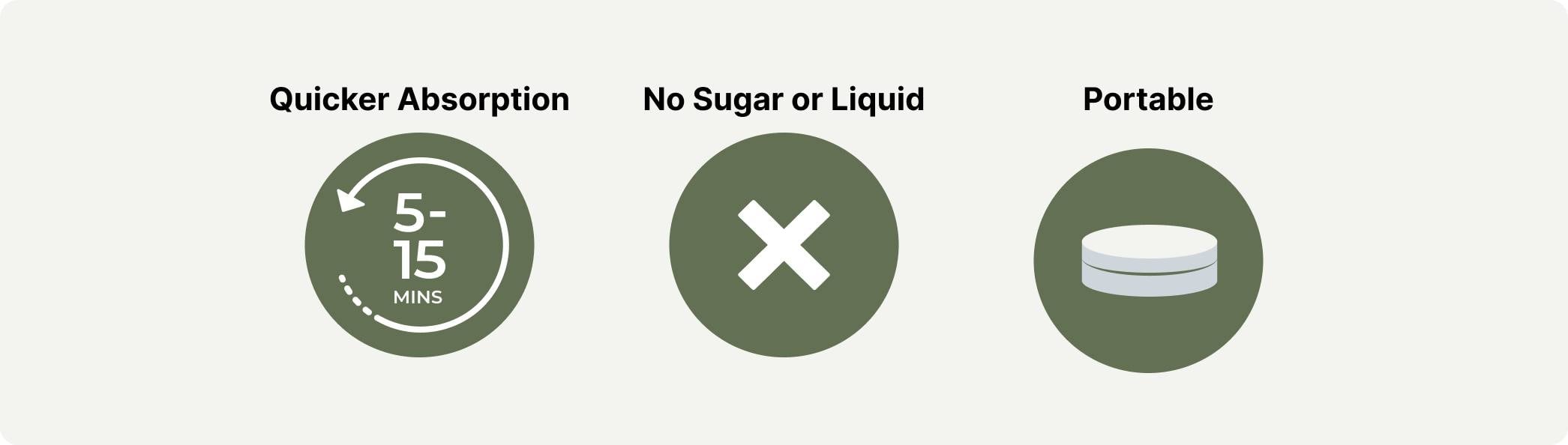
When comparing caffeine pouches vs energy drinks, the main differences are format and absorption route.
Caffeine pouches:
- Absorbed partially through the mouth lining
- May deliver caffeine quicker than caffeinated beverages
- Typically sugar-free
- Liquid-free
- Portable and discreet
Energy drinks:
- Swallowed and absorbed through the intestine
- Typically deliver caffeine slower, as it needs to pass through the gut
- Often contain sugar
- Require liquid consumption
Are Caffeine Pouches Safer Than Energy Drinks?
Some users wonder “are caffeine pouches safer than energy drinks?”
Caffeine has been extensively studied and moderate daily intake (up to 400 mg for most adults) is generally considered safe.
Safety considerations primarily relate to total caffeine intake. However, energy drinks may also contain sugar or additional stimulants, which some consumers may prefer to avoid.
Some users may prefer that caffeine pouches are typically sugar-free and contain fewer ingredients, but this does not relate to safety.
Caffeine Pouches in the UK
Northerner offers a wide selection of caffeine pouches from top brands:
-
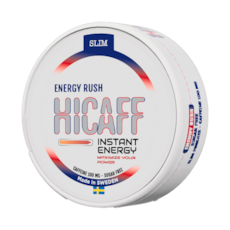
Hicaff Hicaff Energy Rush 100mg Caffeine
 Hicaff Hicaff Energy Rush 100mg Caffeine
 -
CAFERO CAFERO Cappuccino 80mg Caffeine
 CAFERO CAFERO Cappuccino 80mg Caffeine
 -
Belter BELTER Citrus Tang 80mg Caffeine
 Belter BELTER Citrus Tang 80mg Caffeine
 -
Lewa LEWA Power Wintermint 50mg Caffeine
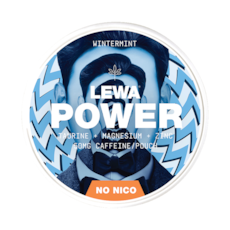 OfferOfferOffer
 Lewa LEWA Power Wintermint 50mg Caffeine
 -
XQS XQS Blueberry Mint 50mg Caffeine
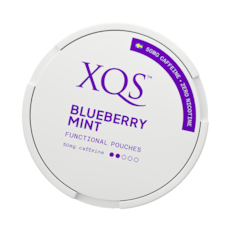 OfferOfferOfferOffer
 XQS XQS Blueberry Mint 50mg Caffeine
 -
Lewa LEWA Power Spearmint 50mg Caffeine
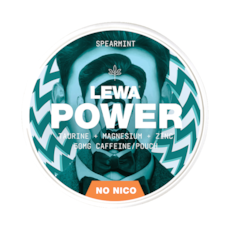
 Lewa LEWA Power Spearmint 50mg Caffeine
 -
Hicaff Hicaff Classic Cola 100mg Caffeine
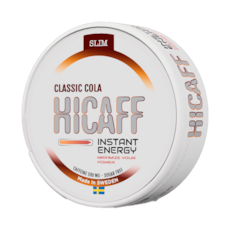
 Hicaff Hicaff Classic Cola 100mg Caffeine
 -
Belter BELTER Energy Mango Ice 80mg Caffeine
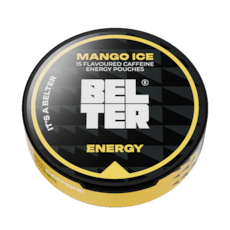
 Belter BELTER Energy Mango Ice 80mg Caffeine
 -
XQS XQS Tropical 50mg Caffeine
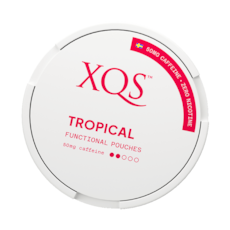
 XQS XQS Tropical 50mg Caffeine
 -
CAFERO CAFERO Vanilla Latte 80mg Caffeine
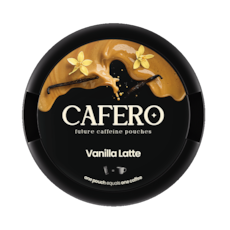
 CAFERO CAFERO Vanilla Latte 80mg Caffeine
Overview: Caffeine Pouches and Training
The effect of caffeine on sports performance has been well-documented in scientific research.
Caffeine can improve endurance, focus, and reaction time, particularly when you are tired.
Caffeine pouches, also known as energy pouches, offer a modern, liquid-free and sugar-free way of consuming caffeine that can be useful in relation to training. They may also deliver caffeine quicker than caffeinated beverages.
FAQs Caffeine Pouches and Training Explained
Is caffeine good for athletic performance?
Research shows that caffeine for athletic performance can improve endurance, reaction time, and focus.
The benefits are most noticeable during prolonged or high-intensity exercise, especially when fatigue is present.
What is the optimal caffeine intake for performance?
Most studies suggest 30–300 mg of caffeine for focus and 200-600 mg of caffeine for endurance performance.
The optimal caffeine intake for performance depends on body weight, tolerance, and timing.
Are caffeine pouches safer than energy drinks?
Caffeine is safe to consume in moderation, with guidelines advising a maximum of 400 mg of caffeine a day for most adults.
How do caffeine pouches vs energy drinks compare?
The main difference between caffeine pouches vs energy drinks is delivery:
- Energy drinks are swallowed and caffeine is absorbed through the intestine.
- Caffeine pouches deliver caffeine through the oral lining.
Caffeine pouches may allow for a slightly quick onset, though overall caffeine exposure is similar at equal doses.
Do energy pouches for running work?
Energy pouches for running deliver caffeine without liquid or sugar.
While most performance research has focused on coffee and gum, caffeine itself is well-established as a performance aid when taken in appropriate amounts.
Sources
- Caffeine for the Sustainment of Mental Task Performance. Formulations for Military Operations.
- Administration of Caffeine in Alternate Forms. Kate A. Wickham and Lawrence L. Spriet
- A Randomized, Two-Way Crossover Study to Evaluate the Pharmacokinetics of Caffeine Delivered Using Caffeinated Chewing Gum Versus a Marketed Caffeinated Beverage in Healthy Adult Volunteers. Paul Sadek et al.
