
Why Do Some Nicotine Pouches Feel Icy?
Some nicotine pouches create a noticeably icy or tingling sensation that goes beyond the typical ‘burning’ feeling. Find out what’s happening in your mouth when you experience this effect, plus explore our recommendations for the UK’s best icy pouches.
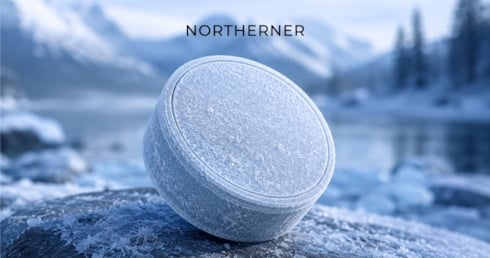
Key Points
- Some nicotine pouches have an icy sensation.
- This sensation can come from menthol or from synthetic cooling agents.
- Cooling agents activate cold receptors in the mouth.
- Menthol and synthetic cooling agents have different cooling intensities and duration.
What Makes Some Nicotine Pouches Feel Icy?
Some nicotine pouches contain ingredients that create a cooling or tingling sensation in the mouth.
This is different from the mild burning sensation that can occur when using pouches (especially stronger ones). This sensation is typically related to nicotine itself, which you can read more about in our Why Do Nicotine Pouches Burn? guide.
The icy sensation, by contrast, comes from cooling compounds that stimulate specific sensory receptors in the mouth. These compounds make your brain perceive cold, even though the pouch itself is not physically cold.1
Mint and menthol flavours are also commonly associated with a noticeable cooling sensation (explore mint-flavoured pouches on Northerner for the full range).
How Your Mouth Detects Cooling Sensations
The mouth contains specialised sensory receptors known as Transient Receptor Potential (TRP) channels.3
TRPM8: The Cold Receptor
The receptor primarily responsible for the icy feeling is called TRPM8.
Normally, TRPM8 responds when something cold touches the mouth.
However, certain compounds–including menthol and modern synthetic cooling agents–can activate the receptor without any actual decrease in temperature.3 Go to the section “What Are Cooling Agents?” for more information.
This is why an icy nicotine pouch can feel cold despite being at room temperature.
Chemesthesis: Why Cooling Is Not a Flavour
That icy feeling in your mouth is not actually a flavour.
Scientists describe these sensations as chemesthesis, which means sensations caused by chemical stimulation rather than taste alone.3
For example:
- Mint flavour comes from taste and smell
- The cooling feeling of cooling agents comes through the activation of specific receptors
Cooling Vs Burning
Different receptors produce different sensations:3
- TRPM8: responds to cooling compounds
- TRPV1: detects heat and spicy compounds (typically present in chilli flavoured snus)
- TRPA1: responds to compounds found in mustard, wasabi, and garlic
Because different receptors are involved, a pouch can produce a cooling sensation, a burning sensation, or even both at the same time.
What Are Cooling Agents?
Cooling agents are ingredients that create a sensation of freshness on the skin or inside the mouth without lowering the temperature.2
Menthol is the best-known cooling agent, but many nicotine pouches today also use synthetic cooling compounds.
Because each cooling agent has its own sensory profile, two mint-flavoured nicotine pouches can produce noticeably different cooling sensations, even if they contain similar flavours.
An Alternative to Menthol
Many of the synthetic cooling agents used today can trace their origins to research carried out by the razor company Wilkinson Sword in the 1970s.1
At the time, the company wanted to develop alternatives to menthol for products such as shaving creams and aftershaves, due to menthol's strong odour and tendency to irritate the eyes and nose.
Researchers at Wilkinson Sword developed a range of synthetic cooling compounds that produced a cooling sensation without some of menthol's drawbacks.
Several of the best-known compounds are now widely used in foods, beverages, confectionary, oral care products, and cosmestics–as well as nicotine pouches.
Why Some Pouches Feel Colder Than Others
Wondering why some pouches feel colder than others?
Cooling intensity depends on more than just the flavour listed on the can:
- Cooling ingredients: Products with higher amounts or combinations of cooling agents generally produce a stronger icy sensation.
- Pouch moisture: Moist nicotine pouches release flavour and nicotine quicker, which can create a more noticeable tingling sensation
- Product flavour: Mint and menthol are commonly associated with cooling sensations.
Top Icy Pouches
Explore Northerner’s selection of icy pouches, with a distinct tingling sensation.
-
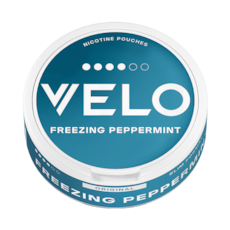
VELO VELO Freezing Peppermint 10.9mg
 OfferOfferOfferOffer
 VELO VELO Freezing Peppermint 10.9mg
 -
XQS XQS Arctic Freeze 11.2mg
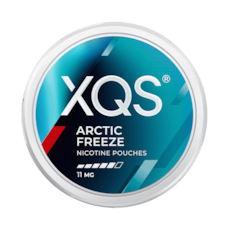
 XQS XQS Arctic Freeze 11.2mg
 -
Juice Head Juice Head Peach Pineapple Regular 6mg

 Juice Head Juice Head Peach Pineapple Regular 6mg
 -
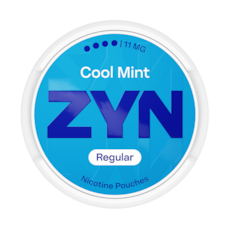
ZYN ZYN Cool Mint 11mg
 OfferOfferOfferOffer
 ZYN ZYN Cool Mint 11mg
 -
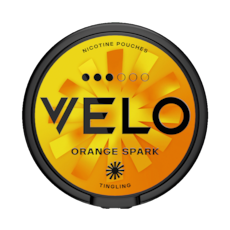
VELO VELO Orange Spark 10mg
 OfferOfferOfferOffer
 VELO VELO Orange Spark 10mg
 -
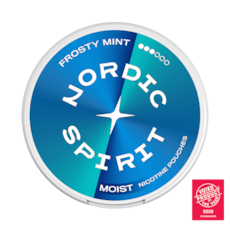
Nordic Spirit Nordic Spirit Frosty Mint 9mg
 OfferOfferOfferOfferOffer
 Nordic Spirit Nordic Spirit Frosty Mint 9mg
 -
Juice Head Juice Head Watermelon Strawberry Super Strong 14mg
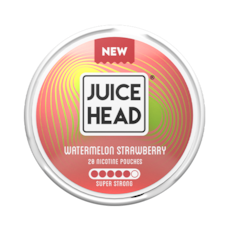
 Juice Head Juice Head Watermelon Strawberry Super Strong 14mg
Final Thoughts
Some nicotine pouches feel icy or tingly because they contain cooling ingredients that activate the mouth’s cold receptors rather than physically lowering the temperature.
This sensation is different from the burning feeling that nicotine can sometimes produce.
Order nicotine pouches online at Northerner UK to explore the full range of tobacco-free snus options.
Why Do Some Nicotine Pouches Feel Icy?
Why do some nicotine pouches feel colder than others?
Some nicotine pouches feel colder because they contain different types or amounts of cooling agents, such as menthol or synthetic cooling compounds. These stimulate cold receptors in the mouth.
Is the icy feeling the same as nicotine burn?
No, the icy sensation is caused by cooling compounds which activate cold receptors.
The ‘burning’ sensation which can sometimes occur when using nicotine pouches is typically due to nicotine interacting with the tissue of the mouth.
Do all mint nicotine pouches feel icy?
No, not all mint pouches feel icy. Mint-flavoured pouches often contain cooling ingredients, but the intensity varies depending on the specific formulation and the cooling agents used.
Does pouch moisture affect the cooling sensation?
Yes, moist pouches can affect the cooling sensation because they generally release the cooling ingredients more quickly. This can produce a faster and often stronger initial cooling sensation.
Sources
- Wilkinson Sword Cooling Compounds: From the Beginning to Now. J. Leffingwell et al.
- The tip of the iceberg: Profiling cooling agents using computational approaches to inform tobacco regulatory science. S. Chakraborty et al.
- Localization of TRP Channels in Healthy Oral Mucosa from Human Donors. Y. Moayedi et al.
